
A shower and tub combo ages as one unit, and the honest fix treats it as one project: the tub and the walls around it reglazed together, in a single visit, curing as one finish. Renewing only the tub inside tired walls, or only the walls above a stained tub, produces the half-renovated look nobody wants. This post covers how the combined job works and why it is the standard way Los Angeles alcove bathrooms come back.
What Counts as a Combo
Two builds share the name. The one-piece unit, molded tub and walls in a single fiberglass or acrylic shell, common in housing from the seventies on. And the built combo, a tub set into an alcove with tiled walls above it. Both are combos in the way that matters: the surfaces meet, weather together, and read as one object to every eye that enters the room.
One-Piece or Built: Which Do You Have?
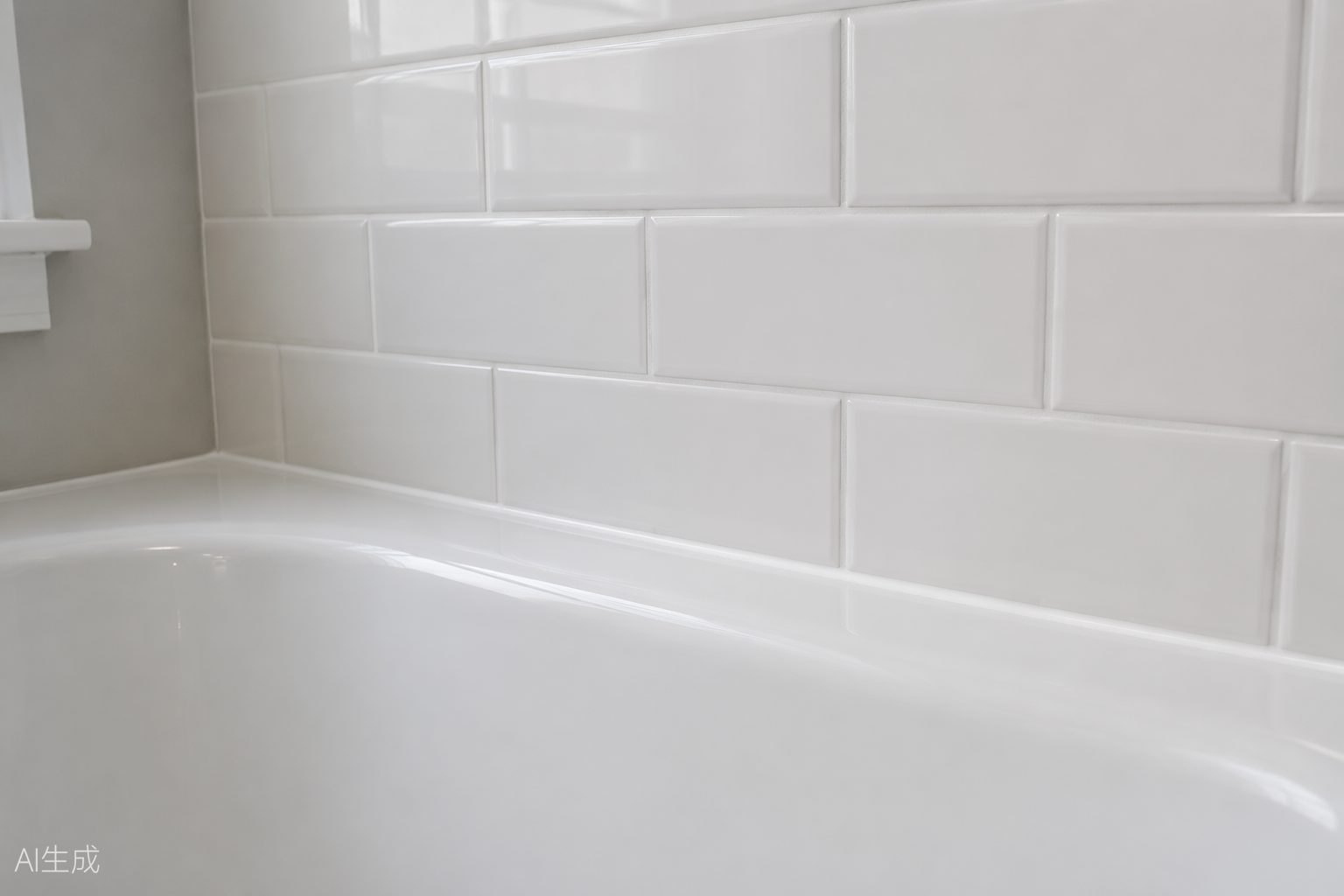
Run a hand from the tub rim up the wall. A one-piece unit continues in the same material with no grout lines, usually with molded shelves and a slightly flexible feel. A built combo changes material at the rim: tile above, with grout lines, and a caulk joint where wall meets tub. Two minutes of looking settles it, and the answer shapes how the surfaces are prepared, though both arrive at the same renewed alcove.
Why the Combined Visit Wins
- One mobilization, one masking, one setup shared across all surfaces
- One color conversation, so tub and walls match exactly
- One cure window instead of two separate disruptions
- A finished alcove that reads as a renovation, not a patch
The combined quote runs meaningfully below the sum of two separate appointments for exactly these reasons, and the aesthetic result is the stronger argument: everything renews to the same standard on the same day.
The One-Piece Unit Story
Molded units age all over at once: chalky walls, dull floors, scratched seats. Their replacement is the trap, because most were installed before the bathroom walls were finished, making removal a cut-out-and-rebuild project. Reglazing renews the entire shell in place, walls and tub as one continuous finish, and the specifics of the material live on our fiberglass and acrylic pages.
The Tub-Plus-Tile Story
Built combos split into their two surfaces: the tub with its own material and history, the tiled walls with theirs. The combined visit handles each correctly, tub preparation matched to porcelain, iron, or fiberglass, and the surround handled as tile, with the grout lines renewed as part of the wall finish. The wall side of the craft is covered in depth at shower tile reglazing, and this post’s point is the pairing: the two surfaces done together, meeting at a clean caulk line.
What Happens to the Grout Lines
On a tiled surround, the coating seals tile and grout together into one continuous, cleanable surface. The grout lines stay visible, the wall keeps its tile character, but the porous, staining grout you have been scrubbing stops being a separate material with separate problems. For showers, that sealing is half the reason renewed surrounds stay bright: the surface mold used to grip is gone.
Doors, Rods, and Hardware
Sliding door tracks, curtain rods, and fixtures are either masked and worked around or, where a track is failing anyway, removed so the coating runs clean beneath, with the choice made with you before work starts. Old track lines and screw holes from removed doors are repaired as part of preparation, which is how a combo sheds a dated sliding door and comes back looking intentional rather than patched.
What the Day Looks Like
Fixtures, drains, and the room are masked and protected; repairs come first, chips, rust, soft spots, and failed caulk handled before any coating; then the surfaces are etched and coated in controlled coats under our 24-Hour Spa Shell Transformation Method. The transformation completes inside a 24 hour work window, and the finish cures for 24 hours after the final coat. One day of work, one day of cure, and the alcove is back.
Color: Matched or Deliberately Changed
Most combos renew to a clean uniform white, and the single-visit format makes color changes safe: because everything is coated together, a warmer white or a soft stone tone lands consistently across tub and walls with no risk of mismatch. Dated color schemes disappear in one decision.
When Only the Walls, or Only the Tub, Makes Sense
Occasionally one surface was renewed recently and the other was not, and the honest job is the remaining half, color-matched to what exists. It is a harder match than coating both at once, which is worth knowing before renewing surfaces one at a time on purpose: the combined visit is not upselling, it is how the alcove ends up uniform.
The Honest Disqualifiers
Shell cracks that flex under palm pressure, structural breaks in a one-piece unit, tile walls whose substrate has failed and moves, or active leaks behind the surround: these route to repair or replacement conversations first, and we say so from photos. Coating over a moving structure buys a countdown, not a finish.
Rentals, Turnovers, and the Combo
The combo is the whole visual of a rental bathroom, which is why property managers book the combined renewal as a turnover standard: one crew day per unit, a predictable cure, and a bathroom that photographs like a remodel for the listing. Across a building, the same formula repeats unit after unit.
Ventilation, Protection, and the Rest of the House
A combo doubles the coated area, so the household questions get asked more often: the room is masked and sealed, ventilation is set up and managed by the crew for the duration, and the rest of the home stays usable through the work window. Technicians protect floors and the path in, and leave the bathroom clean enough that the renewed alcove is the only evidence of the visit, the same standard whether the job is one tub or a full surround.
The Ten-Year View
A properly prepared and coated combo ages the way it was renewed: as one surface, on one schedule. That is the quiet advantage over piecemeal fixes, where a five-year-old tub coating and fresh walls fail at different times and the alcove never looks finished again. One renewal date, one care routine, non-abrasive cleaners and drips fixed promptly, and the whole alcove reaches its next decade together.
Caulk: The Seam That Makes or Breaks the Look
Where tub meets wall is the joint every eye lands on, and it is renewed as part of every combo job: old caulk cut out during preparation, the seam cleaned, and a fresh bead run after the coating cures. Do not schedule a separate caulking visit before the reglaze; it would be removed on day one. The finished seam is the detail that makes the alcove read as one renewed object instead of two adjacent projects.
To see our completed projects and what customers say, read our verified customer reviews and testimonials.
Getting a Combo Quote
Photograph the whole alcove from the doorway, the tub, and the worst areas up close, and send the set through our free quote page or call (818) 858-1150. The quote comes back itemized by surface, the honest disqualifiers named if the photos show any, and the gallery shows completed combos across Los Angeles. The cost anatomy of the combined project is laid out at our bathtub and tile refinishing cost page.