
For most Los Angeles kitchens, yes: refinishing kitchen tiles is worth it whenever the tile itself is sound, because renewal delivers a current-looking kitchen for a fraction of retiling’s cost and none of its demolition, with the room back in service after a 48 hour cure. The honest answer runs longer than the short one, because the yes carries conditions and the conditions matter more than the enthusiasm. That is the short answer, and the rest of this post earns it honestly: what refinishing actually fixes, what tearing tile out really involves, and the specific kitchen conditions where the answer flips to no. The question deserves real math, not a sales pitch, and the math is what follows.
Porcelain Tub Refinishing in Los Angeles
What the Years Do to Kitchen Tile
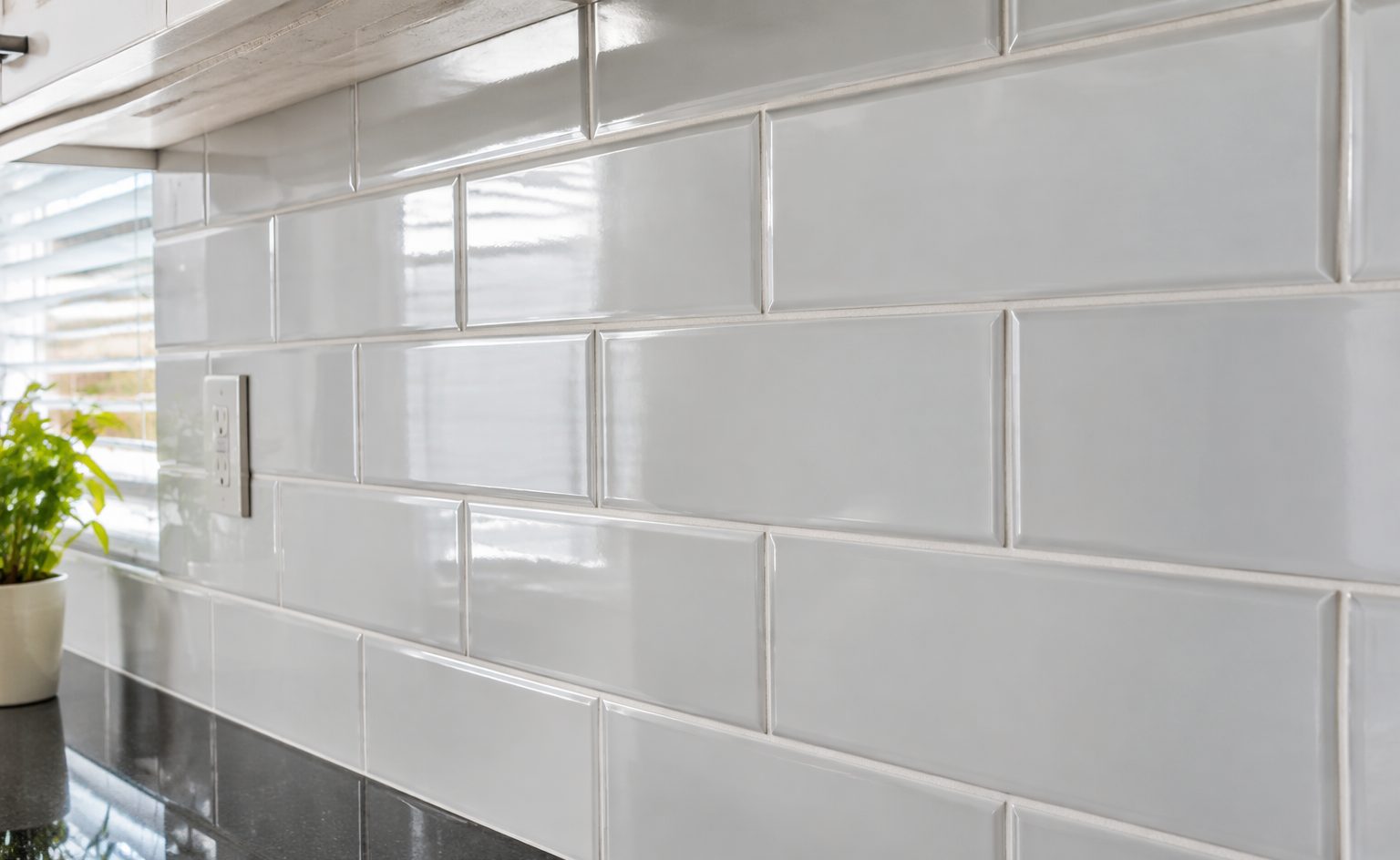
Kitchen tile lives the hardest life of any tile in the house. Backsplashes catch grease film that bonds a little more with every cooking year, grout lines darken from steam and splatter no cleaner fully reverses, and the colors themselves age out of style while the tile stays stubbornly intact. The result is the classic Los Angeles kitchen contradiction: structurally excellent tile that makes the whole room read like its installation decade. That contradiction is exactly what refinishing exists to resolve.
What Refinishing Actually Fixes
- Grease film and years of surface buildup stripped completely during preparation
- Darkened grout lines sealed under the new finish as one cleanable plane
- Chips and worn glaze repaired before any coating goes on
- The color retired entirely, with the whole surface taking a new tone in one project
The craft behind those bullets is the same disciplined preparation and controlled coating the rest of this site documents surface by surface, and the finish cures for 48 hours after the final coat before the kitchen returns to full service. What refinishing does not do also matters, and it gets its own honest section below.
What Retiling Really Involves
The comparison only means something with the whole retile scope on the table: demolition of the existing tile, the dust that reaches every cabinet, disposal, substrate repair once the walls are opened, new tile purchased and delivered, days of setting and grouting, and a kitchen that cooks nothing while all of it happens. None of that is an argument against retiling when a kitchen genuinely needs it. It is the honest denominator of the worth-it fraction, and most homeowners have never seen it written out.
The Worth-It Math, Stated Plainly
Refinishing wins the math when the tile is sound because it deletes the demolition, the substrate work, the material purchase, and the downtime, and keeps only the renewal. The project runs as one scheduled visit plus the cure, the counters and cabinets stay exactly where they are, and the kitchen’s look moves twenty years in two days. When quotes for both paths sit side by side with their whole scopes attached, the gap is wide enough that the decision usually makes itself.
When Refinishing Is Not Worth It
Honesty is the spine of this site, so here are the kitchens where the answer is no. Tile that is loose, hollow-sounding under a knuckle tap, or cracked across multiple courses is telling a substrate story that coating cannot fix. Walls with active moisture problems need those problems solved first, by the right trade. And a kitchen headed into a full gut renovation should simply renovate; refinishing serves kitchens being kept, not kitchens being demolished. Send photos either way, and the quote reply will say which kitchen yours is. For more on this, see our guide to Tile Refinishing Worth.
What the Project Asks of Your Kitchen
The project’s demands on the household are deliberately small. The crew masks the counters, cabinets, and floor path, works inside the masking through the final coat, and leaves the kitchen intact behind it. During the 48 hour cure the backsplash simply goes untouched: the kitchen cooks, the counters work, and nothing leans against the wall for two days. That is the entire list. Kitchens with a busy family rhythm absorb it without noticing, which is exactly the point of choosing renewal over a project that would have taken the room away for a week or more.
The Age Question
Old tile is not disqualified tile. The ceramic of past decades was made well, set well, and has already proven its bond by surviving this long, which makes era tile some of the best renewal stock in the city. Age matters only where it shows up as looseness, cracking, or moisture history, and those are condition questions the photos answer, not birthday questions the calendar does.
The Color Question, Answered Once
Because the new finish is itself the new color, refinishing retires a dated backsplash palette in the same project that renews it. The harvest tones, deep greens, and browns of past kitchen decades survive all over Los Angeles on perfectly sound tile, and a color reset is the single most visible thing this work does. Most kitchens choose a clean neutral that lets the counters and cabinets lead, chosen from samples in the room’s own light at the quote.
Tile and Counters, Aging Together
Kitchen tile rarely wears out alone. The counters below it took the same years of the same meals, and kitchens doing this well often renew both surfaces in one coordinated project, one mobilization, one cure window, one matched result. The counter side of that story lives at countertop refinishing, and the whole-kitchen coordination logic is laid out at the kitchen and bathroom surface makeover.
The Rental Kitchen Version
For operators, the worth-it math compounds: unit kitchens photograph for every listing, tile demolition inside a turnover week is a vacancy calendar’s enemy, and refinishing slots into the standard turnover rhythm the way the rest of the surface program does. The week-level playbook, written for tubs but identical in structure, is at rental turnover bathtub reglazing, and kitchen tile rides it without adding a day. For more on this, see our guide to worth refinish bathtub.
The Shower Twin of This Question
The same worth-it question gets asked about bathrooms just as often, and the answer has its own shape there, because showers add water, grout condition, and waterproofing to the math. That version is walked honestly at is refinishing your shower tiles worth it, and the full head-to-head between refinishing and tearing out, for any room, is covered at refinish vs retile.
The Two-Quotes Doctrine
The cleanest way to settle your own kitchen is paper: get the refinishing quote from photos of your actual tile, get a retile quote with its whole scope written out, and put them side by side. This site teaches that comparison for every surface it covers because the comparison is where honest work wins. A company confident in its math invites the second quote; be suspicious of any that discourages it.
One Kitchen, Told Briefly
The typical project this post describes looks like this: a Los Angeles kitchen with a sound but grease-dulled backsplash in a color the owners stopped defending years ago, photographed on a Tuesday, quoted from those photos within hours, renewed in one scheduled visit, and cooking again after the cure with a surface that reads like the remodel the family thought they needed. No wall opened, no counters disturbed, no dust in the bedrooms. That is the ordinary case, and it is ordinary because the math above holds for most kitchens most of the time.
customer reviews and completed project gallery
Getting Your Kitchen’s Answer
Photograph the backsplash straight on and any worn or chipped areas up close, and send them through our free quote page or call (818) 858-1150. The reply prices the renewal, flags anything that argues for a different path, and the before and after gallery shows what sound tile looks like the week after its years come off. The whole tile service lives at ceramic tile refinishing.