
The tile is usually fine. It is the grout that made your bathroom look dirty, and no amount of scrubbing was ever going to win that fight. Grout is porous cement sitting in the wettest lines of the wettest room, and it absorbs water, soap, minerals, and time. Tile outlasts grout in every bathroom ever built, which is why a wall of perfectly good tile can read as unclean for years.
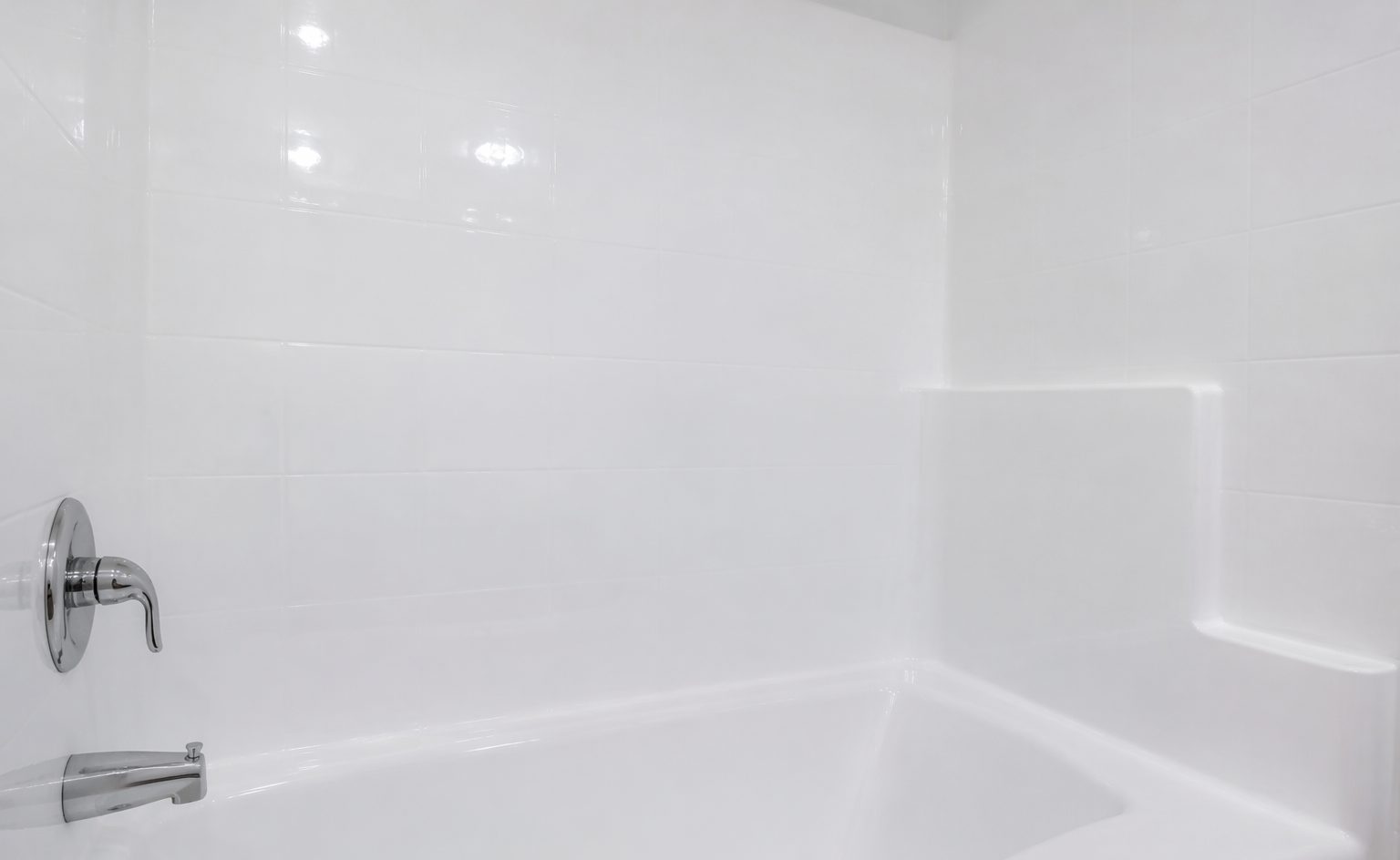
This guide separates what is staining from what is failing, gives you a test you can run tonight, and lays out the three honest repair paths.
Why Grout Darkens First
Every shower deposits a film of soap, body oil, and hard water minerals across the wall. On glazed tile that film sits on top and wipes away. In grout it soaks in, because grout is a network of tiny pores. Los Angeles water is hard enough to accelerate the process, and once minerals set into the pores they stop responding to surface cleaning entirely. The lines go gray, then brown, then whatever color your particular water and soap agree on.
Nothing about that is neglect. It is the material doing what the material does.
Staining or Failing: The Test You Can Run Today
This is the question that decides everything, and you do not need a professional to start answering it. Take a dry hand and a good light to the wall.
- Press the grout lines firmly. Hard and solid means the grout is intact and what you are seeing is staining. Soft, crumbly, or sandy under your finger means the grout is failing.
- Look for missing sections. Gaps, channels, or lines that have fallen out are failure, not stain.
- Tap the tiles with a knuckle. A solid sound means bonded tile. A hollow sound means the tile has separated from the wall behind it.
- Check low corners and the base of the shower. Staining on the wall surface is one thing. Discoloration spreading from behind or below the tile is a water story.
- Look outside the room. Bubbling paint on the other side of that wall, or a soft floor at the shower base, moves this out of cosmetics entirely.
Hard grout with dark lines is the best case in this whole guide, and it is also the most common one in Los Angeles bathrooms.
What the Black in the Lines Usually Is
Most black spotting in grout lines is surface mildew and mineral staining living in the pores of damp cement, and it is a cosmetic and cleaning issue rather than a structural one. What matters is where it stops. Spotting confined to the grout surface in a shower that dries out is ordinary. Growth that keeps returning within days of cleaning, spreads behind the tile, or shows up alongside soft grout and a musty room is a moisture problem, and a moisture problem is solved at the source before anyone makes the wall pretty. If your situation reads like the second description, the honest next call is a moisture or remediation professional, not a refinisher.
What Cleaning Can and Cannot Fix
Cleaning genuinely helps in the first years and genuinely stops helping later. Once staining is set deep in the pores, the aggressive products people escalate to start doing damage: acidic cleaners eat the cement matrix, and stiff brushes wear it away, so each round of heroic scrubbing leaves slightly weaker grout that stains slightly faster. Households usually arrive at our quote after a version of that loop, having done nothing wrong except fight a material war they could not win.
The trap in the loop is that cleaning is free and feels productive, so it delays the decision by a couple of years while the grout quietly gets worse.
The Three Repair Paths
- Regrouting. The old grout is cut out and replaced with new. It is the right answer when grout is failing rather than stained, and it returns you to fresh bare grout, which is to say a porous material that begins absorbing again on day one.
- Waterproofing or structural repair. The right answer when water is getting behind the tile, when tiles are loose, or when a pan is leaking. It comes first, always, and no surface work should be scheduled until it is done.
- Refinishing. The right answer when the grout is intact and stained and the tile is sound. The lines are cleaned during preparation and then sealed under a new finish along with the tile faces, so the wall becomes one continuous plane.
What Refinishing Actually Does to Grout Lines
This is the part most people have never had explained. Refinishing does not clean your grout and leave it exposed to start over. It seals the cleaned lines beneath the same finish that covers the tile, which removes the hundred little absorbent canyons that were holding every shower’s residue. The daily consequence is the thing owners mention months later: the weekly scrub becomes a wipe, because there is nothing left for the film to grip.
The honest limit is equally clear. This works because the grout underneath is sound. On failing grout it is the wrong tool, and we will tell you that from your photos rather than after your deposit. The complete service, including that boundary in full, is at ceramic tile refinishing, and the process itself is at how tile refinishing works.
Why Sealing Grout on Its Own Buys Less Than People Expect
Grout sealers are real products that do a real job, and their limits are worth knowing before you spend a Saturday on one. A penetrating sealer slows absorption in grout that is currently clean. It does not lift staining that is already set, it wears at different rates across a wall depending on traffic and water exposure, and it needs reapplication on a schedule almost nobody keeps. Applied over already stained lines it mostly preserves the staining under a thin layer of hope.
Sealing is genuinely useful right after new grout goes in. As a rescue for grout that has already gone dark, it is the least effective option on this page, which is why so many households try it first and arrive at a real decision a year later.
What to Do Between Now and the Decision
- Stop escalating to harsher chemicals and stiffer brushes, because both accelerate the wear you are trying to reverse.
- Improve drying: run the fan longer, leave the door open after showers, squeegee the walls if the habit is easy.
- Photograph the wall now, in daylight, straight on and close up, so you have a record of the condition.
- Run the press test and the knuckle tap, and write down what you found. It is the single most useful thing you can hand any professional.
To see our completed projects and what customers say, read our verified customer reviews and testimonials.
Deciding What Your Wall Needs
Run the test above, then send two photographs: one of the wall straight on and one close enough on the grout lines that the color and texture are visible. Send them through our free quote page or call (818) 858-1150. You will get a reading of what you actually have, a recommendation that may or may not be our own service, and if the answer is another trade first, you will be told plainly. For the broader comparison against replacing the tile entirely, see refinish vs retile. JLF Tub & Tile Reglazing serves residential and commercial properties throughout the Los Angeles metropolitan area and Simi Valley, California.