
Between tenants, a tired tile surround is the difference between a unit that photographs well and a unit that sits. It is also the item most owners assume they cannot address inside a turnover window, because the only version they have priced is a retile with a construction schedule attached. Refinishing solves the same problem inside the window, which is why operators run this math differently once they have seen it work on one unit.
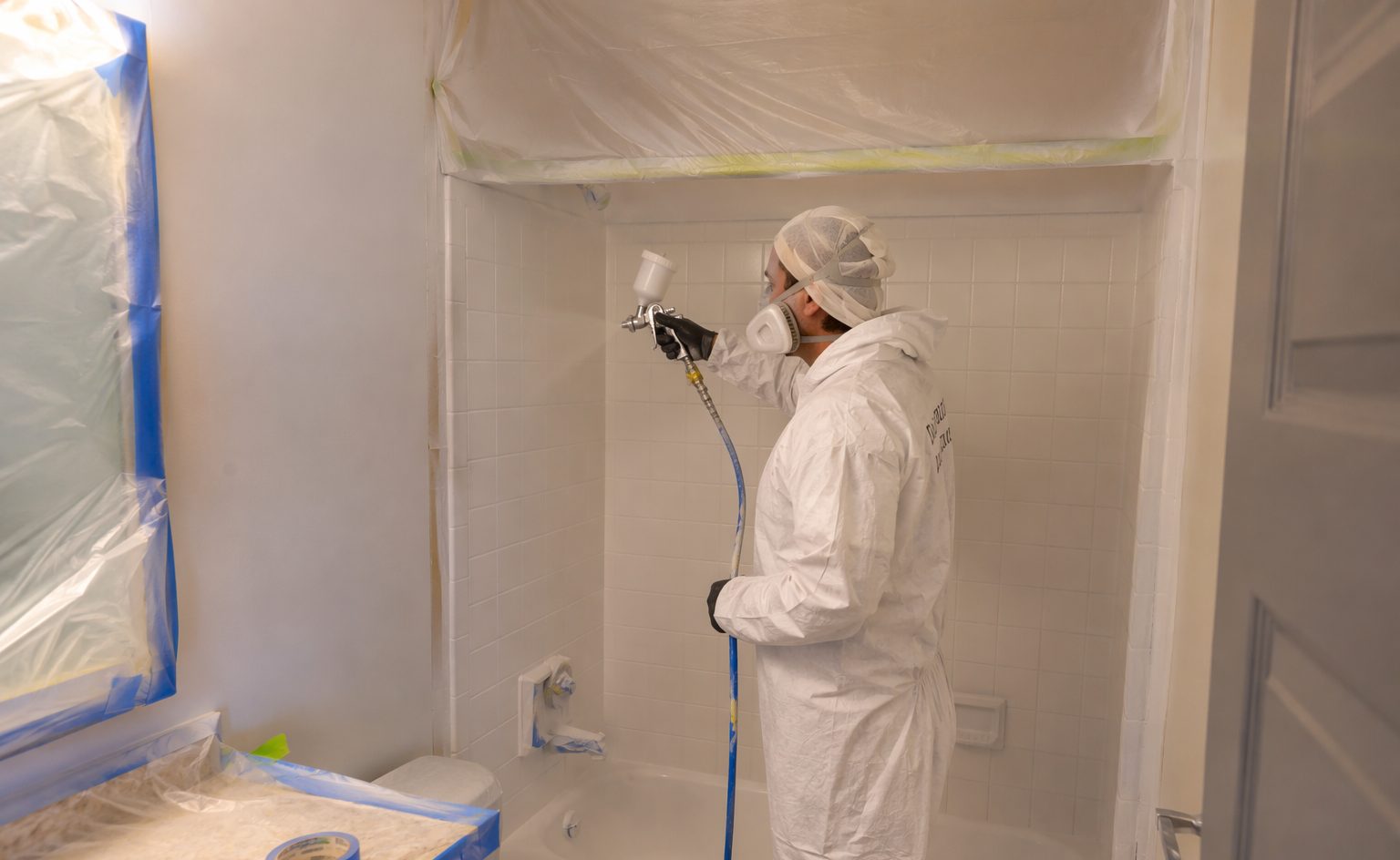
This guide is written for landlords, property managers, and hotel operators working across units in Los Angeles.
Why Tile Decides a Showing
Prospective tenants read a bathroom in about four seconds, and most of that read is surface: is this clean, is this cared for, is this where I want to shower every day. Dark grout lines and a dated tile color answer those questions before anyone opens a closet. The tile does not need to be new to pass that test. It needs to look renewed, and renewal is a surface outcome, which is the entire reason this service fits the rental business so neatly.
The Turnover Window Math
The operating question is never really about the tile. It is about how many days the unit is unavailable. Refinishing runs as one scheduled visit plus a 48 hour cure after the final coat, so the surface is back in service inside a normal turnover rather than extending it into a construction schedule. A retile, by contrast, brings demolition, disposal, substrate and waterproofing work, setting, grouting, and multiple trades that each need their own day. For a unit that rents by the month, days are the currency, and that comparison is usually decisive on its own.
Batching by Building
Portfolio work rewards planning that single bathrooms do not. Crews route by area, so units in the same building or the same block are scheduled together, which shares mobilization and keeps the calendar tight. A residential hotel we work with had six tubs done across two coordinated days rather than six separate visits. That review is on our testimonials page in the customer’s own words, and it is the pattern most operators end up using: cluster the work, schedule it against known vacancies, and stop treating each unit as a separate project.
What Gets Renewed Together
In practice the tile is rarely alone. The tub it surrounds took the same tenancies, and the vanity and counter usually did too. Renewing them in one coordinated visit shares the masking and the cure, and returns a bathroom that reads as consistent instead of one new surface beside two tired ones. The pairing has its own page at shower and tub combo reglazing, and the whole-unit version at the kitchen and bathroom surface makeover. Kitchens in rental units often want the counter and backsplash handled the same way, covered at countertop refinishing.
How It Holds Up Under Tenant Use
This is the fair question every operator asks, because a rental surface is not treated the way an owner treats their own. The answer has two halves. First, a properly prepared finish is durable under normal use, and the sealed surface is genuinely easier for a tenant to keep clean than open grout, which means it stays looking maintained with less effort. Second, the honest half: any surface treated as a scrubbing target with abrasive products will show it. Including a short line in your move-in materials about non-abrasive cleaners does more for the finish than anything else you can do, and it costs nothing.
Occupied Units and Common Areas
Vacant units are the easy case, but occupied ones work too. The bathroom sink and toilet stay in service during the cure, so a tenant plans two bathing days rather than relocating, and buildings with a spare unit or a shared facility often schedule around that. Common areas, laundry rooms, and hotel bathrooms follow the same rhythm, with the added advantage that they can usually be scheduled outside peak hours.
What to Send Us for a Portfolio Quote
- Photos of a representative bathroom straight on, plus one close on the grout lines.
- The count of units and how similar they are to each other.
- Your turnover calendar or the window you are working inside.
- Whether tubs, vanities, or kitchen counters should be quoted alongside the tile.
- Building access notes, since parking and elevator logistics shape scheduling in this city.
What you get back is a quote built on your actual units and a schedule built around your occupancy rather than around us.
Vacancy Cost Is the Real Comparison
Owners tend to compare the two quotes and stop there, which leaves out the number that usually dominates. A unit held off the market through a multi-day construction schedule costs rent for every one of those days, and that cost belongs in the retile column even though no contractor writes it on an invoice. Put the days on paper next to the quotes and the comparison changes shape. This is the same arithmetic that makes surface renewal attractive across a portfolio: it converts a capital-feeling project into a scheduling decision.
What Tenants Actually Notice
Feedback from occupied buildings is consistent on one point: the thing tenants comment on is not the color, it is that the shower stops looking dirty when it is clean. Sealed grout lines remove the gap between effort and result, and a tenant who feels their bathroom responds to cleaning treats it better and complains about it less. That is a soft benefit until you count maintenance calls, and then it stops being soft.
Documenting the Before and After
One habit worth building: photograph every bathroom before the crew arrives and again after the cure. It gives you listing photos that show a genuinely renewed unit, it settles any question about condition at move-in, and across a portfolio it builds a record of which buildings are current and which are due. Owners who do this stop guessing about their own inventory.
The Honest Boundary
Refinishing is a surface trade, so the same limits apply at scale as apply in one home: loose or hollow sounding tile, cracks running across multiple tiles, soft grout, or water getting behind a wall all mean repair comes first, by the right trade. We will tell you which units qualify and which do not from your photos, before a schedule is built. That honesty is worth more to an operator than an enthusiastic yes, because a failed surface in a rented unit is a call you take twice.
Scheduling Around a Real Calendar
The rhythm that works best across a portfolio is boring and effective: identify the units coming vacant in the next sixty days, group them by building, and book the visits early in the week so the 48 hour cure spends itself on weekdays and the weekend arrives with the units ready to show. Buildings with staggered leases end up cycling through their inventory a few units at a time, which spreads the work and keeps every bathroom in the portfolio current rather than letting a decade accumulate.
Start With One Building
Send photos through our free quote page or call (818) 858-1150 to talk through volume scheduling. The complete service is at ceramic tile refinishing. JLF Tub & Tile Reglazing serves residential and commercial properties throughout the Los Angeles metropolitan area and Simi Valley, California, and has since 2016.