
A step-in tub conversion is right for aging in place when three things line up: the home is the one you intend to keep living in, the tub wall’s climb is the bathroom’s real obstacle, and the household wants the fix measured in days rather than a renovation. Aging in place is a housing decision, staying in the home you know on your own terms, and the bathroom is usually its first test. This post is the decision framework, honestly built, including the cases where the conversion is not the answer.
How Does Bathtub Reglazing Work? The Process Step by Step
JLF Tub & Tile Reglazing Site Map
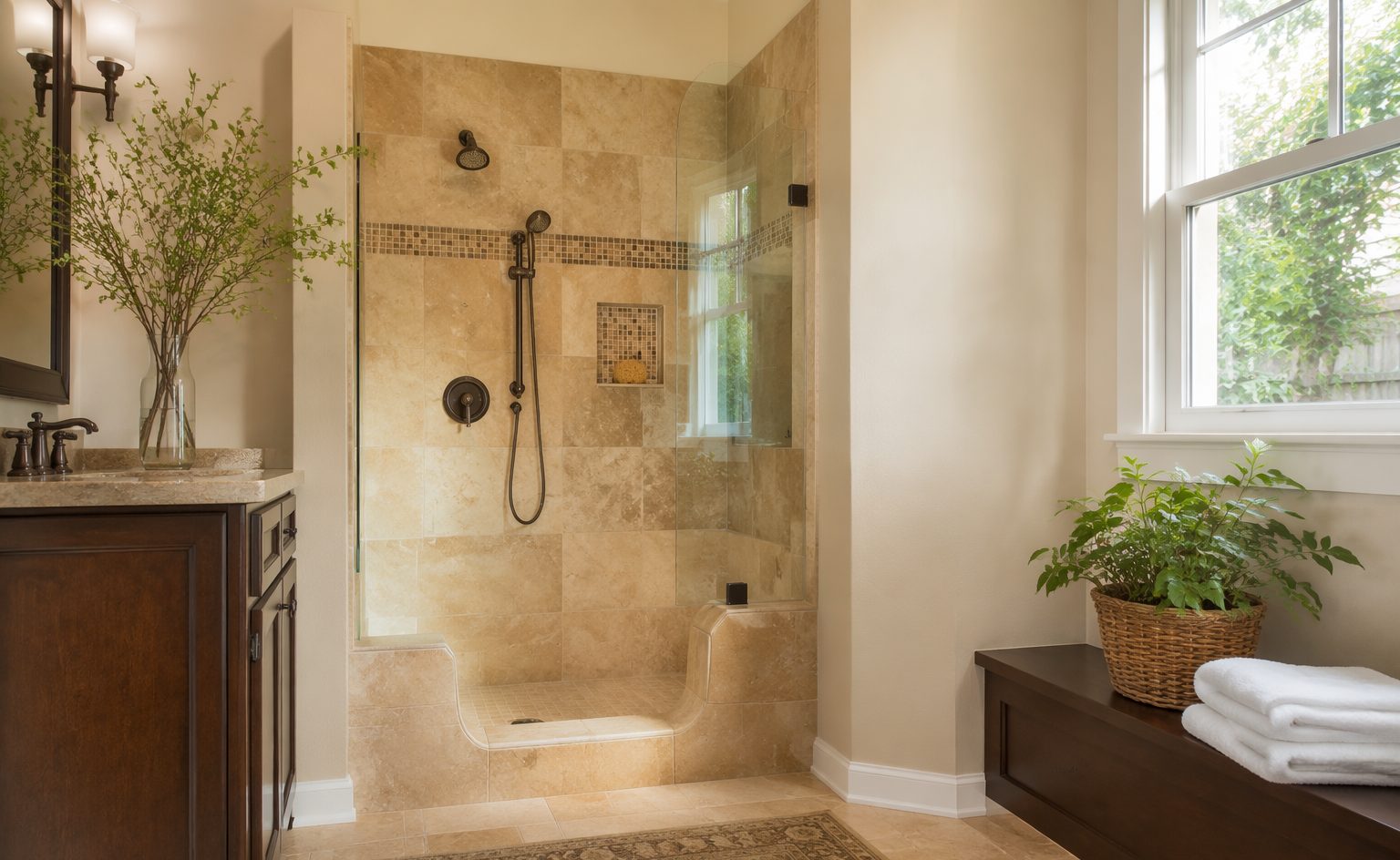
What Aging in Place Actually Asks of a Bathroom
The phrase gets dressed in equipment catalogs, but its bathroom question is plain: can daily bathing continue comfortably and independently in this room as it is. For most Los Angeles homes the honest answer stumbles at exactly one feature, the tub wall’s height at the entry, and everything else about the room still works. A problem that specific deserves a fix that specific, which is the conversion’s entire design philosophy.
The Three-Question Fit Test
- Is this the long-term home? Modifying a tub you will sell next year answers a different question than modifying the one you will use for fifteen
- Is the entry the obstacle? If the climb is the hard part and the rest of the routine works, the conversion targets the actual problem
- Does bathing matter? Bath lovers point to the step configuration; shower-only households may want the fuller shower conversion
Three yeses make the conversion the natural fit. A no on any of them does not end the conversation; it redirects it, and the honest redirects are below.
Before the Scare Beats After It
Most conversions are booked after a close call, and the best ones are booked before: the project is small enough to schedule around ordinary life, permanent enough to change every bathing day after it, and calm decisions choose better configurations than urgent ones. Families who converted early describe the same shift, the bathroom leaving the worry list, and that shift is available on any calm Tuesday the photos get sent.
The Family Conversation, Handled With Dignity
The hardest step is often the subject itself, and the framing that works treats the project as what it is: a bathroom upgrade chosen while choosing is easy, not equipment that announces a decline. The finished entry supports the framing honestly, a custom form-fitted step that reads as design, not device, and the adult child arranging this from another city does it best by putting the daily bather at the center of the configuration questions.
What the Project Asks of the Household
Two photos, one honest conversation about who bathes and how, a scheduled start, and the conversion completing in one visit plus a 24 hour cure. The craft behind that window, measuring, cutting, sealing, the fitted step bonded watertight, is walked at how a tub step-in conversion works, and the flagship overview of the whole service is at step-in tub conversion.
The Bathing Question Decides the Configuration
Aging in place households split on one axis: those keeping baths in the routine and those who left them years ago. The step conversion serves the first group, with configurations that can preserve bathing, walked honestly at can you still take baths after a tub conversion; the fuller shower conversion serves the second. Answering it truthfully at the quote is the single highest-value input the household controls.
When the Conversion Is Not the Answer
Honesty has a list. If the household’s bathing want is specifically seated soaking behind a door, that is the walk-in tub category’s territory, compared plainly at tub conversion versus a walk-in tub. If the obstacles run beyond the bathroom, stairs, doorways, the whole home’s fit, the bathroom fix is one piece of a bigger housing conversation that belongs with your family and its advisors. And if the tub itself is structurally failing, cracks that flex, rust-through, that routes to assessment before any entry work. We say each of these from photos when they apply, because a conversion sold into the wrong situation serves nobody.
Footing, the Other Half
Entry relief solves the climb; footing confidence inside the tub is its own question, and the same project can build a slip-resistant texture into the tub floor, traction as part of the finish rather than a mat fighting it. The option is at non-slip bathtub coating, and aging-in-place households pair it with the conversion almost by default.
Renters, and the Version That Protects Everyone
Long-term tenants aging in units they love can raise this with their landlord, and the tub-preserving step style is the request that usually lands: the unit keeps its tub and its future flexibility, the tenant keeps bathing independently, and the work completes within its window between ordinary days. Operators already running surface programs treat it as one more line, and the ask travels best with photos attached.
The Cost Frame, Where It Belongs
Fit comes first and price second, deliberately: a project that fits badly is expensive at any number. Once the fit test above lands on the conversion, the pricing anatomy, what builds the quote, what the pairings add, how the comparisons frame, is laid out at step-in tub conversion cost, and it is written to make any bid you receive readable.
What the Decision Feels Like Done Right
Households that ran this framework describe the same arc: the subject was hard to raise, the fit test made it concrete, the photos made it real, and the finished entry made it ordinary. Within a month the conversion stops being a topic, which is the success condition aging in place actually wants, a home that keeps working without being discussed.
One Bathroom Now, the Rest of the Plan Later
Aging in place is a sequence, not a single project, and the bathroom is usually its right first move: highest daily stakes, smallest intervention, fastest payoff. Getting it done buys the family calendar room for the slower conversations, and it proves the pattern, that the home can be adapted piece by piece, on your terms, without ever feeling like a facility.
The Question Under All the Others
Every input above serves one underlying question: does this home get to keep being the home. When the bathroom is the obstacle, the conversion is a yes that fits in a week, and that is the honest scale of what is being decided, which is why the small project carries the weight it does in these conversations.
Timing Around Life, Not Around Crews
The project schedules to the household’s calendar: around visits, around routines, around the week that suits the daily bather best. Lead times run days, the work is one visit plus a 24 hour cure, and the only date pressure worth honoring is the one this page opened with, that before beats after.
Does a Tub Cut-Out Affect Resale Value?
A conversion keeps the tub in place rather than removing it, which is the part that matters to most buyers. The bathroom still reads as a full bathroom with a tub, and the entry section is finished with a custom form-fitted step rather than left as an opening.
The resale question usually sits underneath a different worry: whether making a home easier to live in now costs something later. Worth separating the two. Removing a home’s only tub entirely is the change that narrows the buyer pool, particularly for families. A conversion is a smaller and more reversible decision than that, and it is finished work rather than a modification that looks like a modification. If resale is genuinely near-term, say so at the quote and we will tell you honestly whether we would do the work at all in your situation.
customer reviews and completed project gallery
Running Your Own Answer
Send two photos, the whole tub and the entry wall, through our free quote page or call (818) 858-1150, with the honest sentence about how your household bathes and what the hard part is. The reply maps your situation onto everything above, recommends the configuration that fits or says plainly what does instead, and the whole service sits at senior access conversions. Aging in place is the decision to stay; the conversion is one well-shaped tool for keeping the bathroom on your side of it.