
Changing a sink’s color is a reglazing decision, not a replacement decision: the coating is the color, so the same renewal that repairs and reseals a worn basin can return it in classic white, a tone matched to the room, or a deliberate retirement of the shade it has worn for decades. This post walks the sink version of the color question, where a change works, how the shade gets chosen well, and what a color change honestly cannot do, because the sink is the smallest surface in the color conversation and often the one that dates a room hardest.
The Coating Is the Color
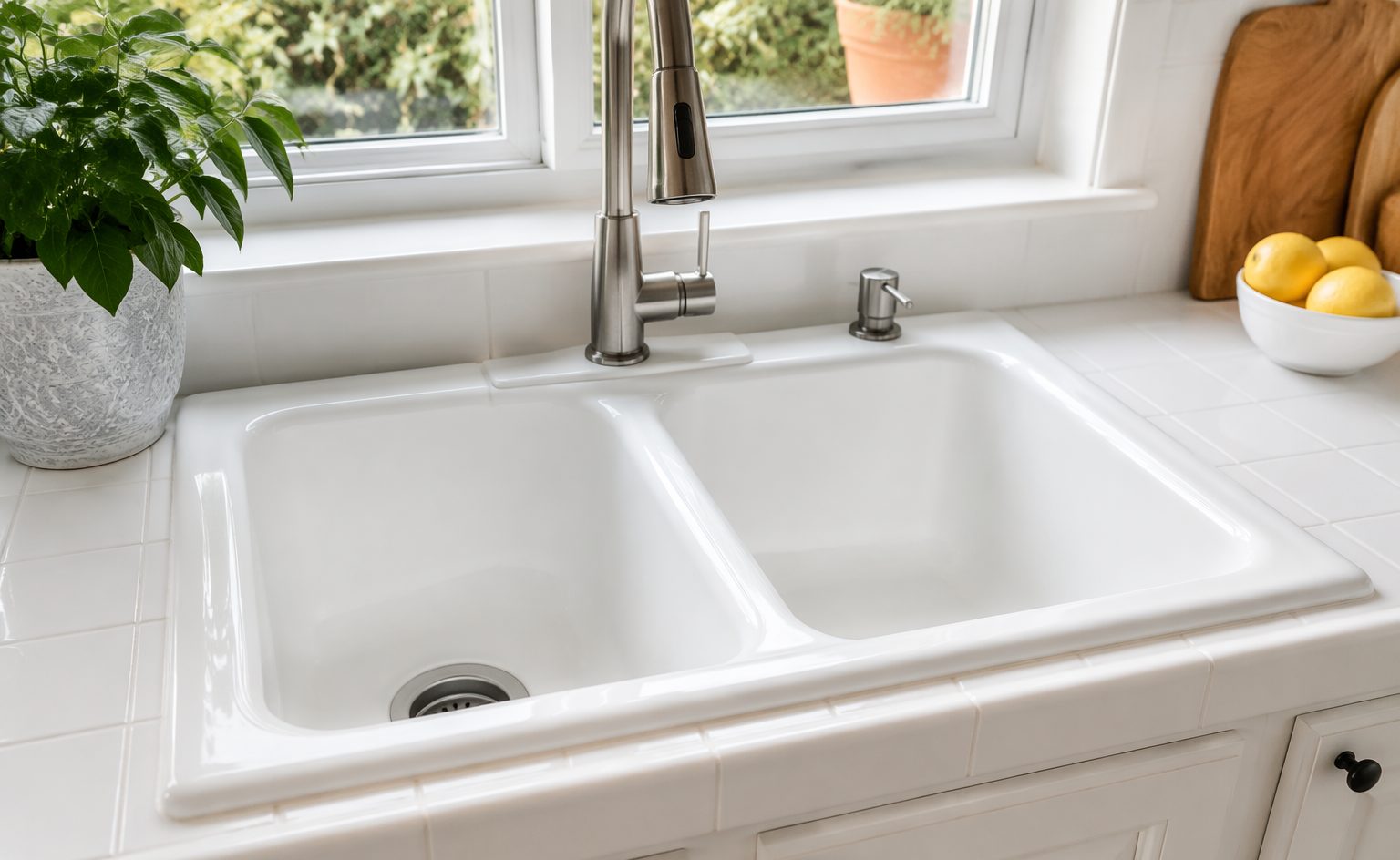
There is no separate color step and no premium color process: the finish built during reglazing is itself the new color, applied in the same controlled coats that seal the repairs beneath it. That single fact reframes the whole decision. A household unhappy with a sink’s color does not need a new sink; it needs the renewal it may already have been considering, with one different answer given at the quote stage.
The Shades Sinks Are Retiring
Every decade left its palette in Los Angeles bathrooms and kitchens, and the fixtures outlived the fashions. The warm golds, greens, browns, and blush tones of past eras survive across the city in perfectly sound basins whose only offense is their year of manufacture, and they are the classic color-change candidates: structurally excellent, superficially dated, and one renewal away from reading current.
Where a Sink Color Change Works
The materials rule is the reglazing rule, unchanged: porcelain enamel over cast iron, enameled steel, vitreous china, and cultured marble basins all take the new color as part of their renewal, and the surfaces that route elsewhere for reglazing route elsewhere for color too. The full map, with the self-checks that identify your material tonight, is at what sinks can be reglazed, and if your basin is on it, its color is an open question.
White, and Why It Keeps Winning
Most color changes end in white, and the reasons are practical before they are aesthetic. White photographs clean, shows rinsing residue honestly, matches every towel, tile, and dish the room will ever hold, and never argues with the next repaint. In kitchens the case is nearly unanimous, and the kitchen sink’s whole story is at kitchen sink reglazing. Choosing white is less a color decision than a decision to stop making color decisions.
Matching the Room Instead
The second honest path is a match: a basin brought to the tone the room already keeps, so the vanity reads as one designed set instead of a replacement-parts collection. Vanity basins carry this case most often, because they live inches from counters and cabinetry with opinions, and the vanity story in full is at bathroom vanity sink reglazing. The match is chosen from samples in the actual room, under its actual light, at the quote.
The Whole-Set Question
Sinks rarely wear a color alone. The tub across the room and the counter the basin sits in usually carry the same retired palette, and a sink changed to white beside an almond-era tub simply relocates the mismatch. Households doing this well decide the palette once and renew the set together, one project, one 48 hour cure window, one coherent room. The tub side of the decision is at changing your bathtub color and the counter side at changing your countertop color, and the three posts describe one decision made at three scales.
The Three Honest Paths, Side by Side
- White: the default that photographs clean and ends the color question permanently
- A match: the basin brought to the tone the room already keeps, chosen from samples in its light
- A deliberate change: a dated shade retired on purpose, usually alongside the rest of the set
- The period keep: a vintage fixture renewed in its own color, character preserved
Every sink color project is one of those four sentences, and naming yours in the quote message shortens the whole conversation.
What Happens During the Change
Nothing about the color path changes the craft: deep cleaning and degreasing, repairs to the surface line, mechanical etching, and the controlled build of the new finish, now in the chosen shade, followed by the 48 hour cure after the final coat before the basin returns to service. The sequence in full is at how sink reglazing works, and the color arrives as the finish itself rather than as an extra step with an extra timeline.
The Vintage Fixture and the Period Color
One color case runs the other way: the original fixture in an older Los Angeles house whose period color is part of the house’s argument. Those basins renew in their own shade on purpose, wear repaired and character kept, and the preservation logic behind that choice is the same one made for tubs at reglazing the original tub in your old house. A color change is a tool, not a default, and the right answer for a 1920s basin is sometimes its own color, renewed.
Reading the Finish You Have Now
One reading changes the color project before it starts: whether the basin already wears a coating. A sink that was refinished years ago, or colored by a weekend kit, presents the new color with someone else’s chemistry underneath, and the rule is absolute: the old coating strips completely before the new shade is built. The bond logic behind that rule, and every peeling story it prevents, is at why reglazed surfaces peel.
You can often read it yourself: a coated basin shows brush texture at the edges, a slightly soft sheen, or peeling at the drain ring where kits fail first. Say what you see in the quote message either way, because the stripping chapter is priced honestly when it is visible and expensively when it is discovered.
Sellers and the Photograph
Pre-listing color changes are photograph decisions. Buyers price dated palettes into their offers without saying so, and a white basin in the listing photos deletes the mental line item the almond one was writing. The change fits inside a listing week, one visit plus the cure, which is why agents send tired kitchens and bathrooms here before the photographer rather than after the feedback.
Rentals and the Portfolio Standard
Operators standardize color the way they standardize everything, and the standard is white for the same operational reasons it wins in owner kitchens: it photographs clean, matches every unit, and makes every future renewal a match instead of a choice. The full rental program for sinks, turnover fit, batching, care cards, is at sink reglazing for rentals and apartments, and color is the shortest paragraph in it.
What a Color Change Cannot Do
Honesty keeps this page useful. A color change cannot repair a basin that fails the structural tests, cannot make a rusted-through sink sound, and cannot fix a layout complaint, a too-small basin stays too small in every color. It also cannot survive neglect any better than the old surface did: the new shade lives under the same gentle-care rules every renewed finish asks. Color solves the color problem, completely and only.
To see our completed projects and verified customer reviews, read verified Sink Los Color Change Angeles customer reviews and testimonials.
Getting the Color Quoted
Photograph the sink from above and the room around it, name the direction you are leaning, white, a match, or a change, and send it all through our free quote page or call (818) 858-1150. The reply prices the renewal, brings the sample conversation to your actual light, and the before and after gallery shows what a retired palette looks like the week after it retires. The whole service picture lives at sink reglazing.